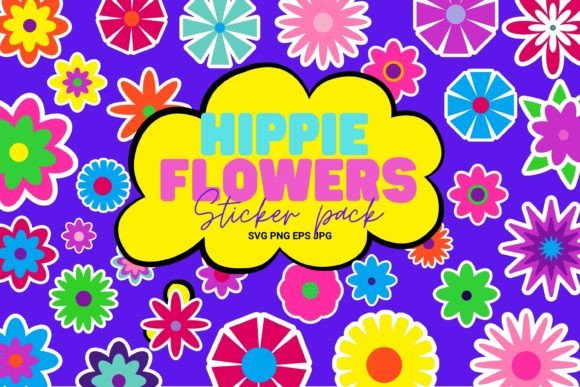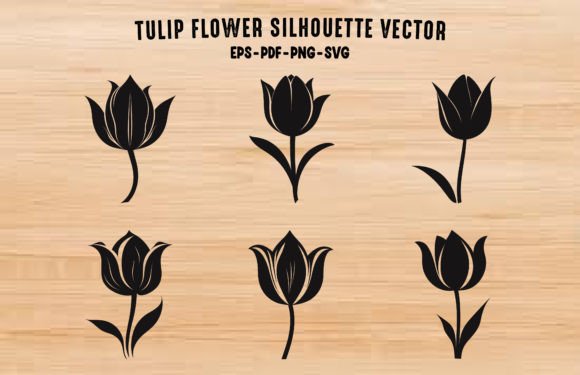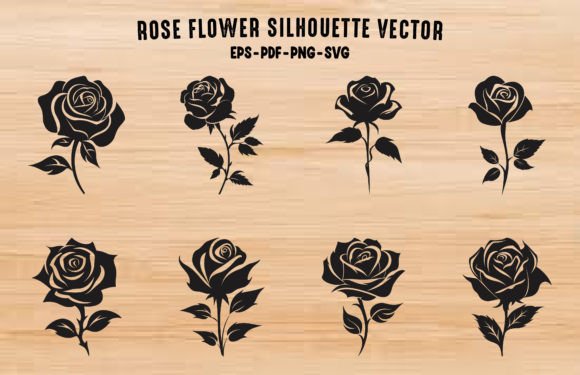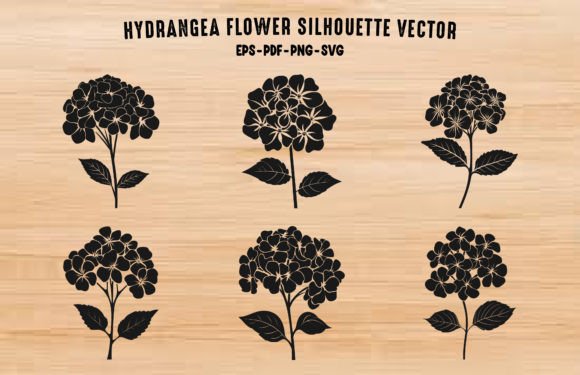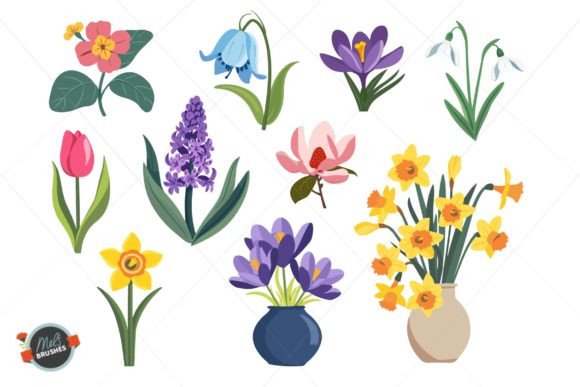
Spring Flower Vector Clipart: A Graphic Design Asset for Seasonal Creativity
Where This Clipart Shines
Large Layouts: In posters, banners, or website headers, these flowers act as a visual anchor. They work well when placed against neutral or muted backgrounds, allowing them to stand out while maintaining a cohesive aesthetic.
Product Mockups: Whether it's a t-shirt, mug, or tote bag, the clipart adds a charming detail that complements the product without overpowering it. It’s especially effective in sublimation designs or sticker creations.
Social Media Graphics: These flowers are a great addition to Instagram stories, Pinterest pins, or Facebook ads. Their simple design ensures they remain legible even when scaled down or overlaid with text.
Printable Designs: From wall art to printable stickers, the transparent PNG files offer flexibility in layering and placement. They’re perfect for print-on-demand sellers or designers creating handmade products.
When to Use with Caution
Small Sizes: At very small scales, the details may become lost, making it hard to distinguish individual elements. Always preview at 100% scale before finalizing layouts.
Crowded Layouts: Avoid placing multiple clipart elements in tight spaces; they can compete visually and reduce readability. Use them sparingly to maintain balance.
Minimalist Branding: While the clipart has a clean look, its floral nature might clash with ultra-modern or corporate branding. Consider using it as an accent rather than a central design element in such cases.
Design Impact and Professional Nuances
The emotional appeal of this clipart is strong—it evokes warmth, joy, and a connection to nature. For a handmade business or small business branding project, this can enhance audience engagement and create a more personal feel.
However, it’s important to consider how the clipart affects visual hierarchy. When used alongside text, ensure there’s enough contrast and spacing to avoid confusion. Testing it in black and white can reveal any potential issues with legibility or focus.
Also, pay attention to file formats. The inclusion of SVG and AI files means you can edit the design further if needed, but always confirm commercial licensing before using it for client projects. This is crucial for ensuring that your design assets are legally compliant and ready for use in marketing visuals or brand identity materials.
Practical Designer Notes for Real-World Use
- Test in Black and White: Check how the clipart performs when printed or viewed in grayscale. This helps identify any hidden color dependencies or visual inconsistencies.
- Contrast Check: Ensure the clipart works on both light and dark backgrounds. This is especially important for web design and social media graphics.
- Preview at Different Sizes: Confirm that the clipart remains clear and recognizable at various scales, from large banners to tiny icons.
- Mockup Placement: Place the clipart on real product mockups to see how it interacts with other design elements. This helps in refining the overall composition.
- Print Quality: Review the PNG transparency and vector scalability to ensure high-quality output for print-on-demand or sublimation designs.
- Font Pairing: Test the clipart with different font styles—serif, sans serif, script, or display—to find the best combination for your brand’s tone.
- Commercial License: Always verify that the clipart is licensed for commercial use. This is essential for protecting both your client’s and your own interests.